Selling timber from your property can be one of the most financially rewarding decisions you make as a landowner. It can also become one of the most frustrating if you sign the wrong contract without fully understanding what you agreed to.
Timber contracts govern everything from how much you get paid to who controls which trees are cut, how the land is left after harvest, and what recourse you have if something goes wrong. Yet many landowners sign these agreements without reading them closely, trusting that the contractor will do right by them.
Most logging contractors are honest professionals who stand behind their work. But a contract protects both parties, and understanding what you are signing is always your responsibility. This guide breaks down the key elements of a timber contract so you can go into any negotiation informed, confident, and protected.
What Is a Timber Contract?
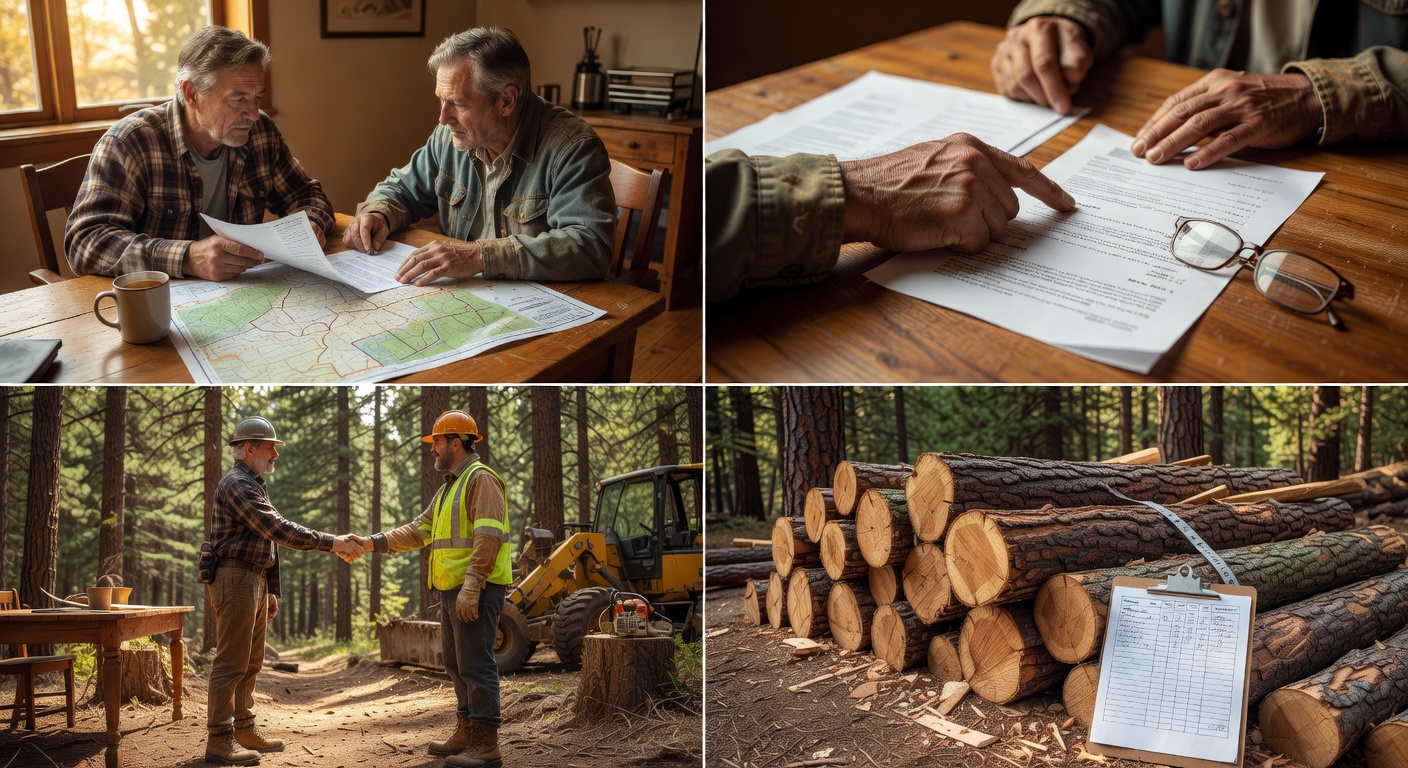
A timber contract is a legally binding agreement between a landowner and a logging contractor or timber buyer that defines the terms under which timber will be harvested and sold from a property. It outlines the scope of work, the compensation structure, the rights and responsibilities of both parties, and the conditions under which the agreement can be modified or terminated.
Timber contracts come in several forms depending on the structure of the transaction. Understanding which type you are being offered is the starting point for evaluating any deal.
The Two Main Types of Timber Sales
Lump Sum Sale
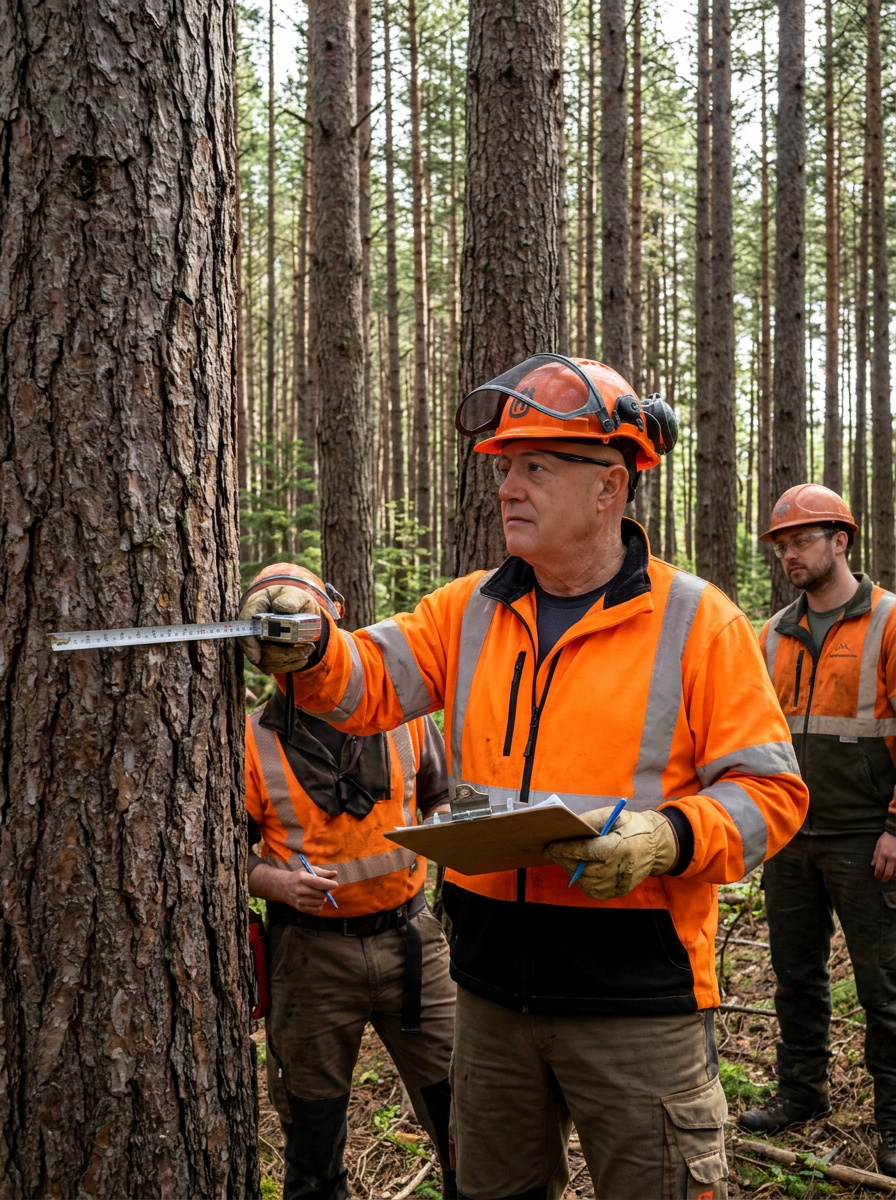
In a lump sum sale, the buyer agrees to pay a fixed total price for the timber on your property before any cutting begins. The price is based on a timber cruise, an estimate of the volume and species composition of your harvestable timber.
The advantage of a lump sum sale is certainty. You know exactly what you will receive regardless of how much timber is actually cut. The risk is that if your timber cruise underestimates the volume, the buyer gets more than they paid for, and you have no recourse once the contract is signed.
Lump sum contracts work best when you have had an independent timber cruise completed by a forester you trust before entering negotiations.
Pay-As-Cut Sale
In a pay-as-cut sale, you are paid based on the actual volume of timber removed, typically measured in board feet or tons at the landing or mill. Prices are set per species and grade in the contract, and payment is made as the timber is harvested and scaled.
The advantage here is that your compensation directly reflects what was actually taken. If the volume turns out to be higher than estimated, you benefit. The risk is that it requires you to trust the scaling process and verify that the volumes reported are accurate.
Pay-as-cut contracts require more ongoing involvement from the landowner but offer greater transparency in how compensation is calculated.
Key Clauses Every Landowner Should Understand
Boundaries and Marked Trees
Your contract should clearly define the harvest area using legal descriptions, maps, or marked boundaries. It should specify whether all trees in the area are included or only specifically marked trees. If you want certain trees, buffer zones, or areas of the property excluded from harvest, those exclusions must be written explicitly into the contract.
Do not rely on verbal agreements for boundary and exclusion decisions. If it is not in writing, it did not happen.
Timber Prices and Payment Schedule
The contract should state clearly what you will be paid, in what currency of measurement, and when. For pay-as-cut sales, payment intervals should be defined. Thirty-day payment cycles are common, but this is negotiable.
Understand exactly how timber is being scaled and by whom. Mill scale, where the mill measures volume upon delivery, is one approach. Landing scale, where timber is measured before it leaves your property, is another. Each method has implications for accuracy and verification.
Slash and Site Cleanup Requirements
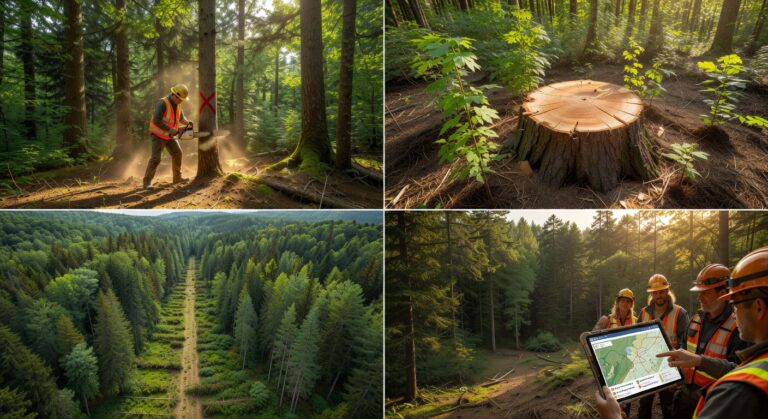
One of the most important and often overlooked sections of a timber contract covers what the property will look like after the harvest is complete. Will slash be piled, scattered, burned, or chipped? Are stumps required to be cut to a specific height? Will skid trails be ripped and seeded?
Cleanup expectations vary widely between contractors and regions. Being specific in the contract about post-harvest site conditions protects you from being left with a mess after the crew has moved on.
Road Use and Access
If the contractor will be using existing roads or building new ones on your property, the contract should address responsibility for road maintenance during the operation and restoration of those roads after harvest. Heavily loaded log trucks cause significant road wear, and the cost of repairing damage to your private roads can be substantial if responsibility is not assigned upfront.
Damage to Residual Trees
In a selective harvest, there will inevitably be some incidental damage to trees that were not intended for harvest. The contract should define acceptable levels of residual damage and assign responsibility when damage exceeds those thresholds. This protects the future value of your remaining timber stand.
Duration and Termination
Timber contracts should have a defined start date and completion deadline. Open-ended contracts with no expiration leave you with no leverage if a contractor takes longer than expected or walks off the job partway through.
The contract should also specify the conditions under which either party can terminate the agreement and what the financial consequences of termination are for each scenario.
Indemnification and Liability
The contract should clearly state who is responsible for injuries, accidents, and property damage that occur during the operation. The contractor should carry adequate liability insurance and workers’ compensation coverage, and the contract should require proof of that coverage before work begins.
Ask for a certificate of insurance directly from the contractor’s provider, not just a copy they hand you. Verify that coverage is current and sufficient for the scale of the operation.
Getting Independent Advice Before You Sign
For any timber sale of meaningful size, it is worth paying for an independent review before you sign. A licensed consulting forester can review the contract terms, assess whether the offered price reflects fair market value, and flag any clauses that could work against your interests.
Many landowners also involve an attorney who has experience with timber or agricultural contracts. The cost of an independent review is almost always small relative to the value of the timber being sold.
Do not let a contractor pressure you into signing quickly. A legitimate, professional contractor will not object to giving you reasonable time to review an agreement with your own advisors.
What to Expect From Ridgeback Logging Co.
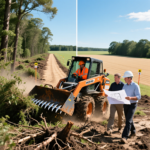
At Ridgeback Logging Co., we believe transparent contracts protect everyone involved. We take time before any job to walk properties with landowners, explain exactly how we structure our agreements, and answer every question before anything is signed.
We want landowners to feel confident in what they are agreeing to because jobs that start with mutual clarity and trust go better for everyone. If you are preparing for a timber sale and want to understand your options, reach out and we will walk you through the process from start to finish.










Hi, this is a comment.
To get started with moderating, editing, and deleting comments, please visit the Comments screen in the dashboard.
Commenter avatars come from Gravatar.