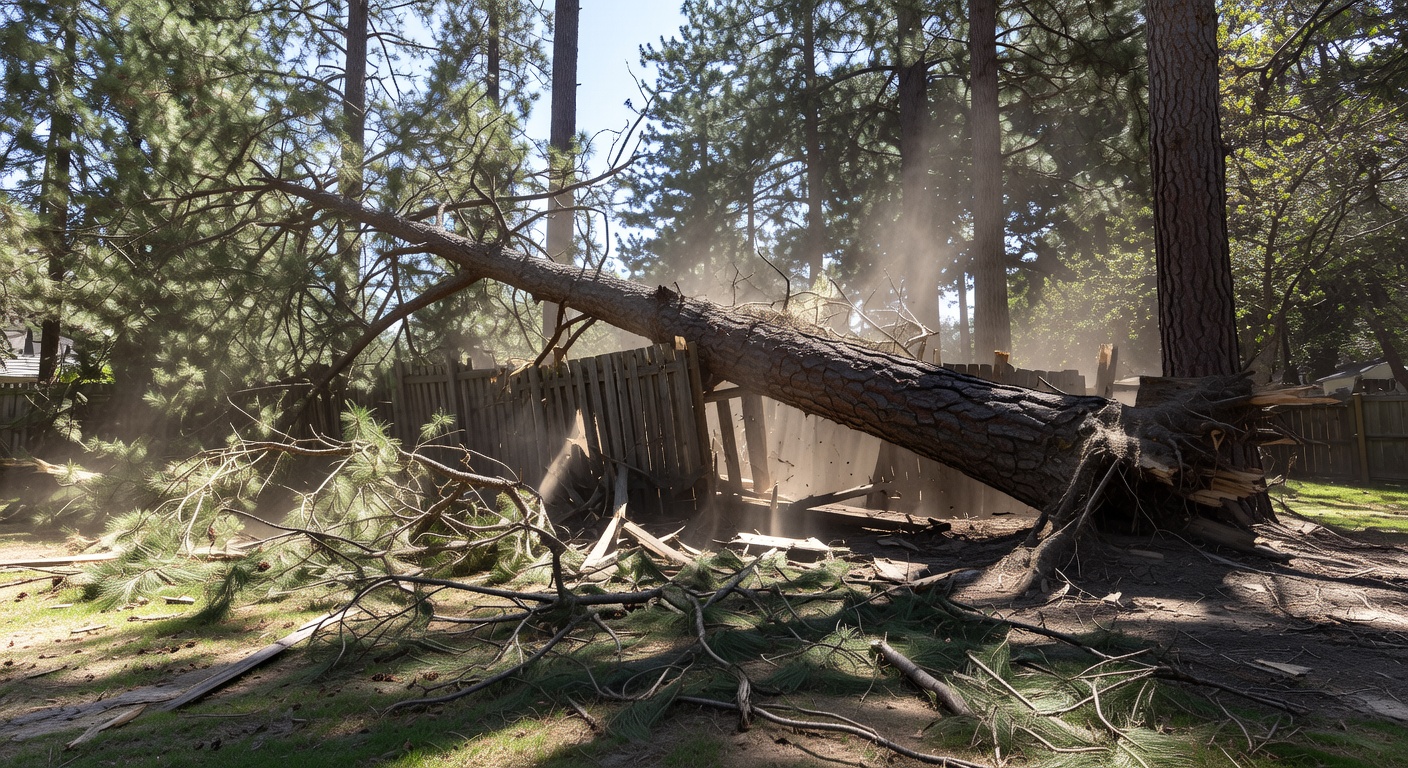
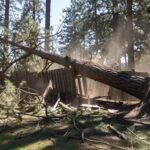
When the wind starts howling and the weather forecast predicts bad conditions there is always the risk of something coming down on your property. I have seen it happen many times where a healthy looking tree snaps cleanly because of the stress in the trunk. The moment a tree lands near a house or car you need to know what to do next because rushing can make the situation worse. My job is to help you get through that panic and get your property back to safety.
The first thing you must do is secure the area. If a tree has fallen across your driveway block it off so no cars enter. If it touched power lines assume they are live and never touch them. Call your local utility company immediately and report the outage. You might think the wires look dead but electricity travels through water and wood sometimes. Stay back at least thirty feet until professionals arrive. Your safety matters more than saving your driveway or lawn grass right now.
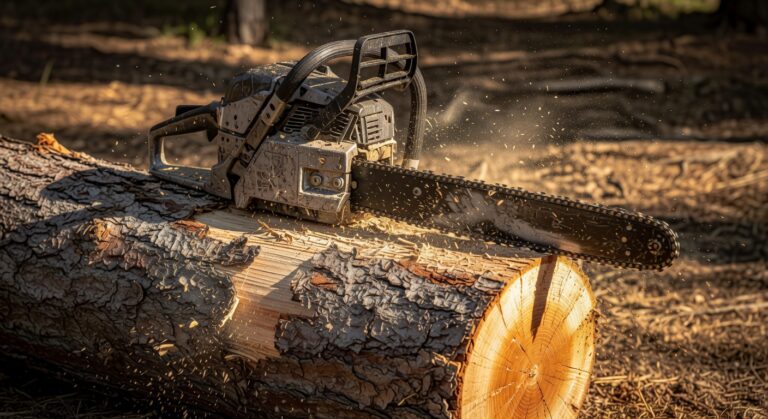
Once the immediate danger is gone you can start assessing the damage. Look for branches that are caught in other trees called hangups. These act like loaded springs and can release violently when cut. Do not attempt to cut them yourself unless you are trained. A hanging branch can drop without warning and cause serious injury. Leave these tasks for experts who have the rigging gear and the climbing skills to manage the tension safely.
Another critical step involves checking the foundation of structures nearby. If a large limb hit a shed or garage inspect the siding for cracks. Water might get inside later leading to rot or mold. Mark these areas with chalk or tape so we can plan our entry path. Sometimes machinery needs to drive around the debris to reach the trapped tree so having clear access plans helps us work faster.
Communication is also vital during this time. Tell your neighbors if a tree came down near their yard as well. They might not see it from inside their house and could walk into a hazard. Spreading the word protects everyone in the community. We often serve multiple houses after a storm so coordination ensures efficiency and keeps crews moving smoothly without delays.
After the storm passes you will want to restore normalcy quickly. This means removing debris and clearing trails. We offer full site cleanup packages that leave your yard ready for mowing or rebuilding. You do not need to carry heavy logs away on your own if you do not want to. Just point out where you want the wood stacked and let us handle the heavy lifting.
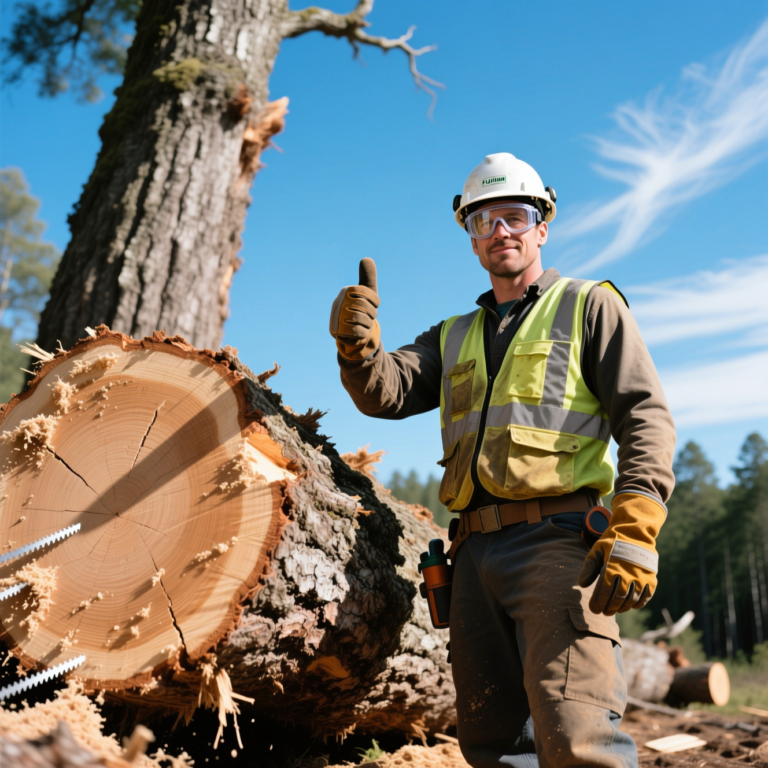
Remember that storms bring challenges beyond just physical damage. Insurance claims can be tricky after natural events. Take photos of everything before we move anything. Show the adjuster the extent of the impact on your home and landscaping. Having a licensed and insured logger helps speed up those approvals since you have proof of proper handling. We provide certificates of insurance upon request for any homeowner needing verification.
If you hear of a tree leaning dangerously after high winds call us for an inspection. Even if it has not fallen yet it might be unstable soil or root rot caused by wet ground. We can assess stability and recommend either support cables or immediate removal. Prevention saves money in the long run compared to fixing a destroyed roof.
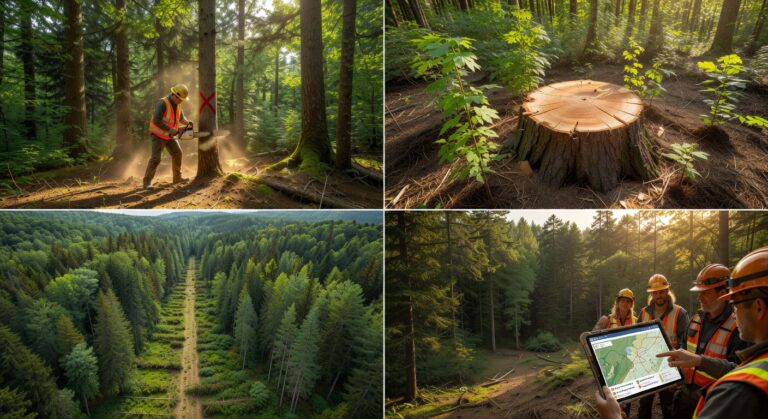
Finally consider winter prep after the spring thaw. Deadwood accumulates over months and becomes hidden hazards. Regular maintenance visits reduce the likelihood of surprise failures. I prefer working with clients who schedule routine checks rather than waiting for disaster strikes. Being proactive builds trust between owner and operator. Let us protect your investment year round instead of reacting only when crisis happens.