A major storm can transform a well-managed property into a scene of widespread damage in a matter of hours. Downed trees, broken limbs, blocked access roads, snapped tops, and uprooted root balls create a complex, hazardous cleanup situation that can feel overwhelming the morning after.
Knowing what to do, and what not to do, in the days following a storm can protect your safety, preserve recoverable timber value, and get your property back to normal faster. This guide gives you a clear, practical action plan for handling storm damage on timberland and rural property.
Step 1: Do Not Rush Onto the Property
The first instinct after a storm is to get out and assess the damage. That is understandable, but it needs to wait until conditions are safe.
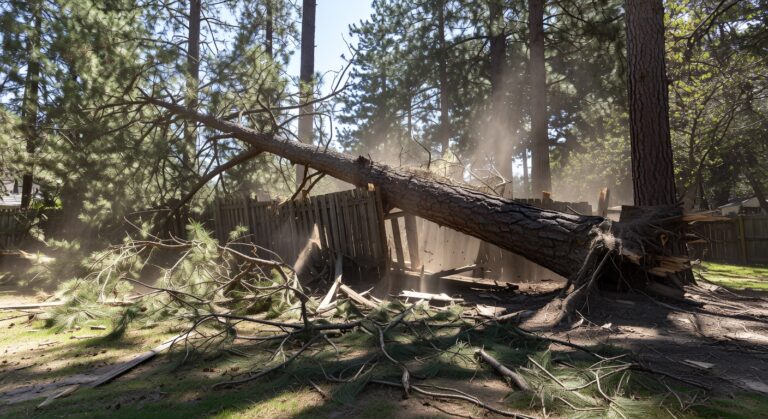
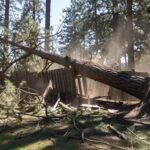
Standing dead trees, called widow-makers, become dramatically more dangerous after a storm. Broken tops and large hanging branches may appear stable but can fall without warning. Uprooted trees under tension can shift or spring back when disturbed. Downed trees leaning against other trees create loaded situations that require trained eyes and specialized equipment to address safely.
Do a visual survey from safe vantage points first. Walk access roads and paths cautiously, staying well clear of any trees that are leaning, partially uprooted, or visibly damaged. If you are unsure whether it is safe, wait for a professional assessment before venturing deeper onto the property.
Step 2: Document Everything Before Cleanup Begins
Once it is safe to move through the property, document the damage thoroughly before any cleanup work begins. Take photos and video of every damaged area. Capture downed trees, broken tops, root balls, and any structures or fencing that were affected.
This documentation serves several purposes. It supports insurance claims if you have timber or property coverage. It provides a baseline for estimating cleanup scope and cost. It also helps a logging contractor understand the nature and volume of the work before arriving on-site.
Walk the full extent of the damaged area if possible and note any access issues, such as blocked roads or soft, saturated ground that could limit equipment access.
Step 3: Assess the Salvage Value of Downed Timber
Downed timber does not immediately lose its value. In many cases, trees that fell or were severely damaged in a storm can still be salvaged and sold as logs, provided cleanup happens in a timely manner.
The salvage window depends on species, temperature, and season. In cooler months, salvage timber may remain marketable for several months. In warm weather, blue stain fungi and insects begin colonizing downed logs quickly, reducing their grade and value within weeks.
Contact a logging contractor as soon as reasonably possible after the storm. An experienced crew can assess which downed timber is worth salvaging, quote you on the cleanup work, and in some cases offset cleanup costs with the value of the recovered timber.
Do not assume your downed trees are worthless. Larger diameter, high-quality species such as Douglas fir, cedar, or pine may still yield significant value even after a storm event.
Step 4: Prioritize Access and Safety Hazards First
Not all storm cleanup is equal in urgency. Focus first on the highest-priority items.
Blocked access roads and driveways should be cleared before anything else, both for your own access and to allow cleanup equipment onto the property.
Trees threatening structures require immediate attention. A tree leaning against a roof, fence, outbuilding, or power line is an active hazard that needs to be addressed by qualified professionals with the right equipment.
Widow-makers and hanging debris in areas where people or animals move should be identified and cleared before resuming normal property use.
Once those priorities are handled, the broader cleanup can proceed in a more organized, cost-effective manner.
Step 5: Work With a Qualified Logging Contractor
Storm cleanup on timberland is not a job for a general tree service or a rented chainsaw. The volumes of wood involved, the hazardous conditions created by uprooted and tensioned trees, and the opportunity to recover timber value all call for a professional logging crew with the right equipment and experience.
A qualified logging contractor brings several things to a storm cleanup job that others cannot.
Proper equipment. Excavators, skidders, and processors can move and sort large volumes of wood safely and efficiently. Hand-cutting alone is dangerous and slow on large-scale storm jobs.
Hazard recognition. Experienced fallers know how to read a dangerous tree, identify stored tension, and plan cuts that release that tension safely. This knowledge is the difference between an efficient cleanup and a serious injury.
Log recovery capability. A logging contractor can sort, scale, and market any recoverable timber on the spot, potentially converting some of your cleanup cost into revenue.
Slash management. The branches, tops, and non-merchantable material left after cleanup need to be handled in a way that reduces fire risk and supports forest regeneration. A professional crew will address this as part of the job.
Step 6: Evaluate the Remaining Stand for Follow-Up Work
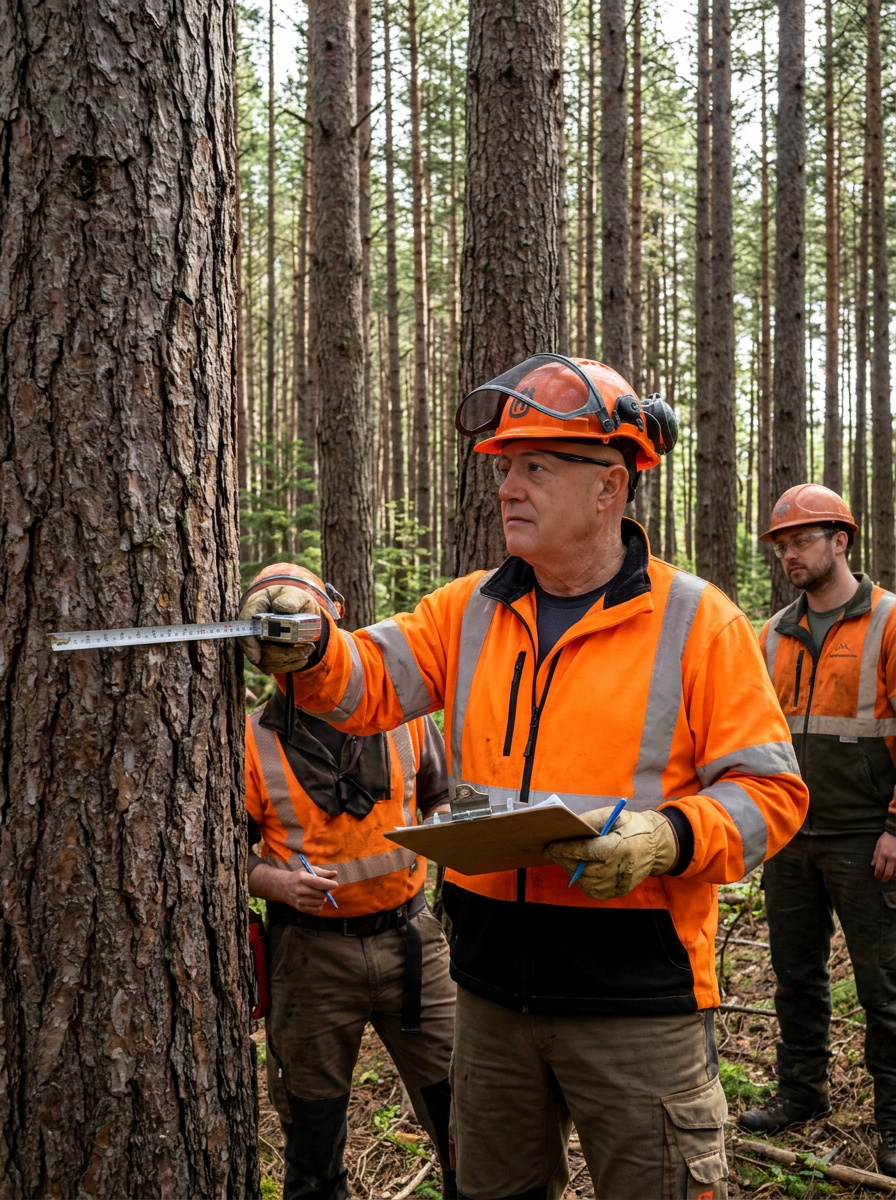
After the immediate cleanup is complete, take time to evaluate the condition of the trees that are still standing. Storms do not only knock trees down; they also create a ripple of secondary damage that reveals itself over the following months.
Root damage from soil movement, bark wounds from falling debris, and stress from canopy disruption all create entry points for pests and pathogens. Trees that look fine in the weeks after a storm may show decline signs by the following growing season.
A follow-up assessment with a logging contractor or forester six to twelve months after a major storm event is a good investment. Catching secondary mortality early allows you to salvage affected trees before they lose value.
Preventing Future Storm Damage
While no forest is immune to severe weather, good management practices reduce storm vulnerability significantly.
Regular thinning reduces the density of your stand, which lowers wind resistance across the board and reduces the number of trees competing for root space and stability. Removing overmature and structurally compromised trees before they fall in a storm is far cheaper and safer than dealing with them after.
Maintaining access roads in good condition means that when a storm does hit, cleanup can begin quickly and without added complications.
At Ridgeback Logging Co., we help landowners both before and after storm events. Whether you need emergency cleanup or want to thin your stand proactively to reduce storm risk, our team is ready to help. Contact us to schedule a site visit and let us put together a plan that protects your property and your timber investment.