
Whether you are preparing land for a new home, a barn, an agricultural operation, or simply reclaiming an overgrown parcel that has been neglected for years, land clearing is one of the most transformative things you can do for your property. It is also one of the most misunderstood.
Many property owners underestimate the scope, cost, and planning involved in clearing land properly. Others try to tackle it themselves and end up with an unfinished project, damaged equipment, or a site that creates problems down the road.
This guide walks you through everything you need to know about professional land clearing, from understanding what is involved to choosing the right contractor for your job.
What Does Land Clearing Actually Include?
Land clearing covers a wide range of tasks depending on the condition of your property and what you intend to use it for. At minimum, it typically involves removing trees, shrubs, brush, stumps, and surface debris from a designated area.
Beyond that, the scope can expand to include:
- Grubbing, which is the removal of roots and underground debris
- Stump grinding or full stump removal
- Brush chipping or mulching
- Rough grading to level the surface
- Rock removal
- Drainage improvements to prevent standing water
Not every project requires all of these steps. A good contractor will assess your property and help you define exactly what your project needs based on your end goal.
Types of Land Clearing Projects
Land clearing is not a one-size-fits-all service. The approach varies significantly based on the size of the property, the density of vegetation, the terrain, and the intended use of the land after clearing.
Residential Lot Clearing: Preparing a lot for a home typically involves removing trees and brush, grinding stumps, and grading the site for foundation work. Access for construction equipment is a primary concern, and the work must be precise around property lines.
Agricultural Land Clearing: Converting forested or overgrown land to pasture or cropland requires thorough root removal to allow for tilling and planting. This type of clearing often involves larger areas and heavier equipment.
Right-of-Way Clearing: Utility companies, municipalities, and private landowners often need vegetation cleared along roads, power lines, fence lines, or drainage easements. This requires careful work to avoid damaging infrastructure.
Wildfire Mitigation Clearing: In fire-prone regions, removing dead trees, dense brush, and ladder fuels around homes and structures is a critical safety measure. This type of clearing is increasingly in demand as wildfire risk grows across the Pacific Northwest and beyond.
Overgrown Property Reclamation: Parcels that have not been managed in years often develop dense blackberry thickets, invasive species, and fallen debris that make the land inaccessible. Reclamation clearing restores usability and value.
The Planning Phase Is Everything
One of the biggest mistakes property owners make is skipping the planning phase. Before any equipment rolls onto your property, several things need to be sorted out.
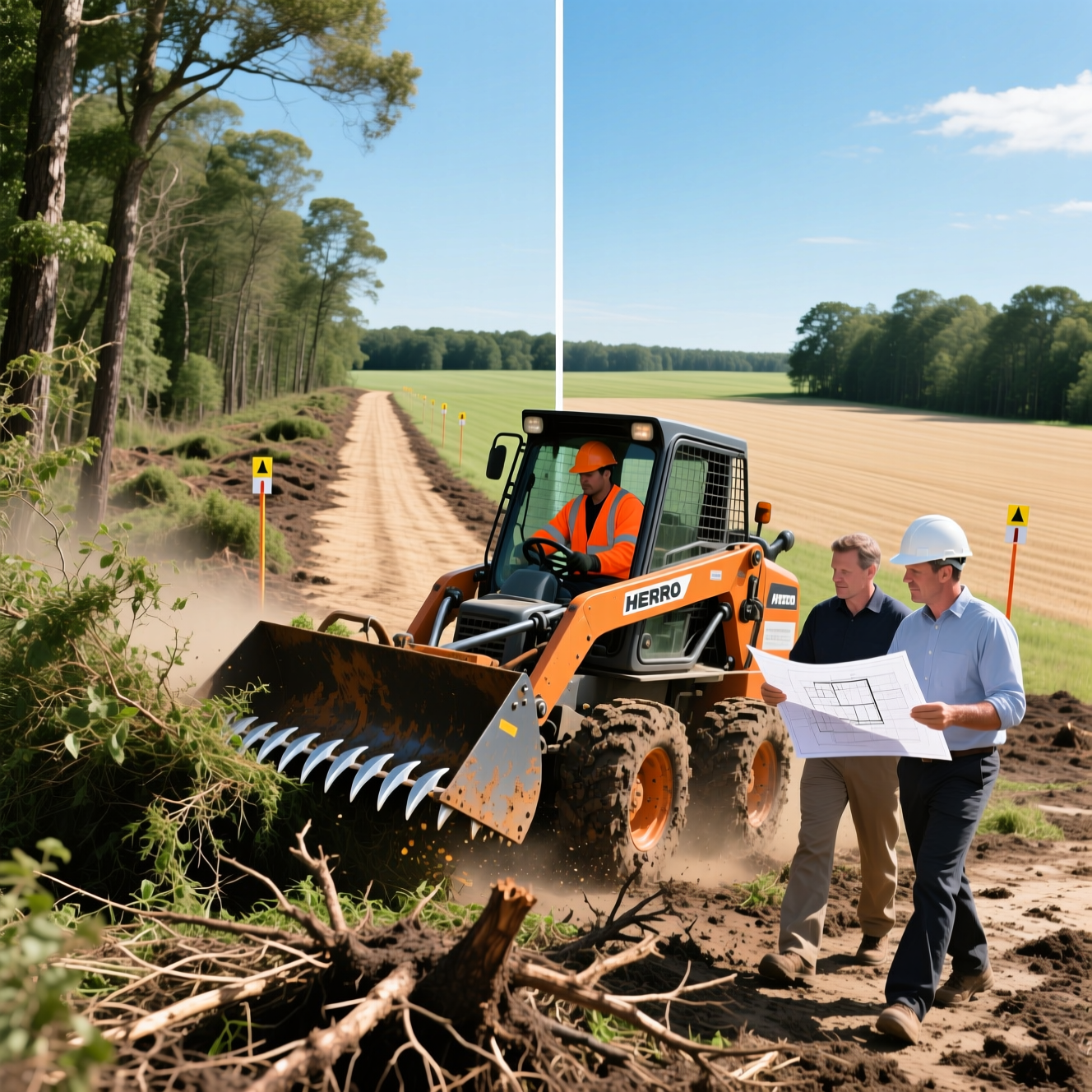
Know your boundaries. Have your property lines clearly identified, ideally with survey stakes. Clearing onto neighboring property is a costly mistake.
Check local permits. Many counties and municipalities require permits for tree removal above a certain size or for land clearing over a certain acreage. Your contractor should be familiar with local requirements, but the permit responsibility often falls on the landowner. Do your homework early.
Identify protected trees or species. Some areas have protections for specific tree species or for trees above a certain diameter. Riparian buffer zones near waterways also have restrictions on what can be removed.
Plan for debris. A clearing project generates a significant volume of material. Know ahead of time whether it will be chipped on-site, hauled off, burned (where permitted), or left as mulch. Each option has cost and logistics implications.
Consider drainage. Removing large amounts of vegetation changes how water moves across your property. A good contractor will flag any drainage concerns before work begins so you can address them proactively rather than reactively after the land floods.
What to Expect During the Work
Once planning is complete and equipment arrives on-site, a professional land clearing crew works in a methodical sequence.
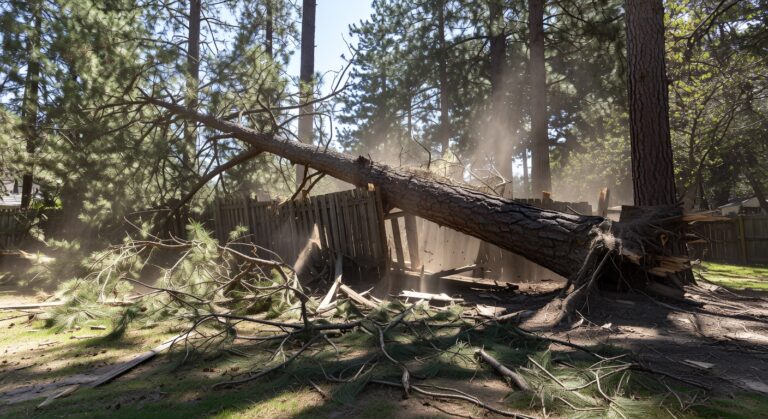
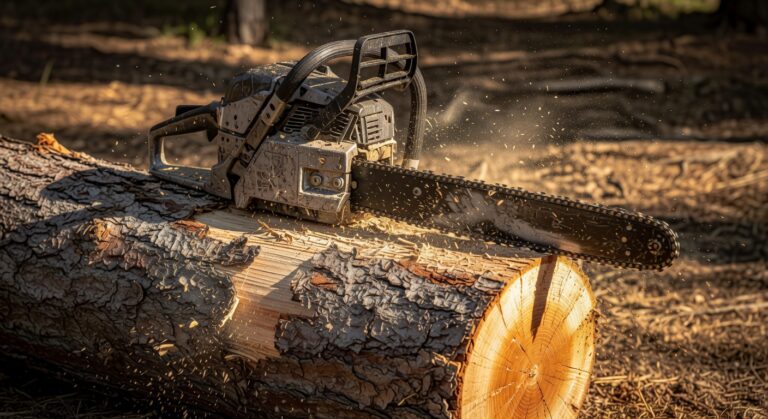
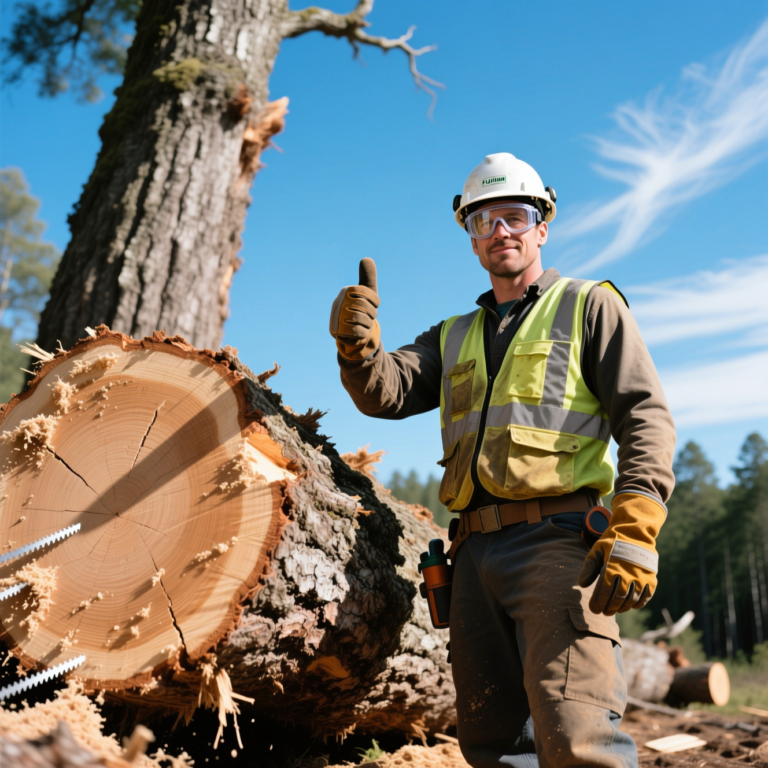
Large trees are typically felled and processed first, with trunks bucked into manageable lengths for removal or processing. Brush and smaller vegetation follow. Stumps are ground or removed depending on the agreed scope. The site is then cleaned up, with debris chipped, piled, or hauled depending on the plan.
Throughout the work, a good crew pays close attention to the edges of the clearing area. Protecting trees and vegetation you want to keep requires deliberate care, particularly when using large equipment near the perimeter.
Timeline varies widely by project size. A small residential lot might be cleared in a single day. A multi-acre agricultural conversion can take several weeks. Weather, terrain, and the density of vegetation all affect pace.
How to Choose a Land Clearing Contractor
The difference between a good land clearing experience and a frustrating one almost always comes down to who you hire. Here is what to look for.
Proper licensing and insurance. Land clearing involves heavy equipment and inherent risks. Your contractor should carry liability insurance and workers’ compensation coverage. Ask for proof before work begins.
A detailed written quote. A reputable contractor will walk your property before quoting and provide a written breakdown of what is and is not included. Verbal agreements lead to disputes.
Clear communication about what stays. If there are trees or areas you want preserved, make sure the contractor marks them and acknowledges them explicitly before starting.
Local experience. Someone familiar with your specific region understands the soil conditions, seasonal timing, local regulations, and vegetation types that affect how the job gets done.
References and past work. Ask for references from similar projects. A contractor confident in their work will have no hesitation providing them.
After the Clearing Is Done
Once the land is cleared, the next steps depend on your intended use. For construction, the site typically moves into grading, compaction testing, and foundation preparation. For agriculture, soil testing and amendment often follow. For recreational or residential use, seeding or planting may begin.
One thing many property owners overlook is erosion control in the weeks immediately following clearing. Bare soil is vulnerable to rain and runoff. Temporary seeding, silt fencing, or straw wattles can prevent costly erosion while the land stabilizes.
At Ridgeback Logging Co., we do not consider a job finished until the site is clean, the scope is complete, and you are satisfied with the result. If you have a property you are ready to clear, reach out for a consultation and we will help you plan and execute the project the right way.